
Your cat is peeing outside the litter box. Start here.
It is almost never spite, and it is medical until proven otherwise. Here's how to separate a bladder problem from a box problem, the emergency you must not miss, and the litter box maths most homes get wrong.
Maya Reinhardt
Veterinary nutrition consultant
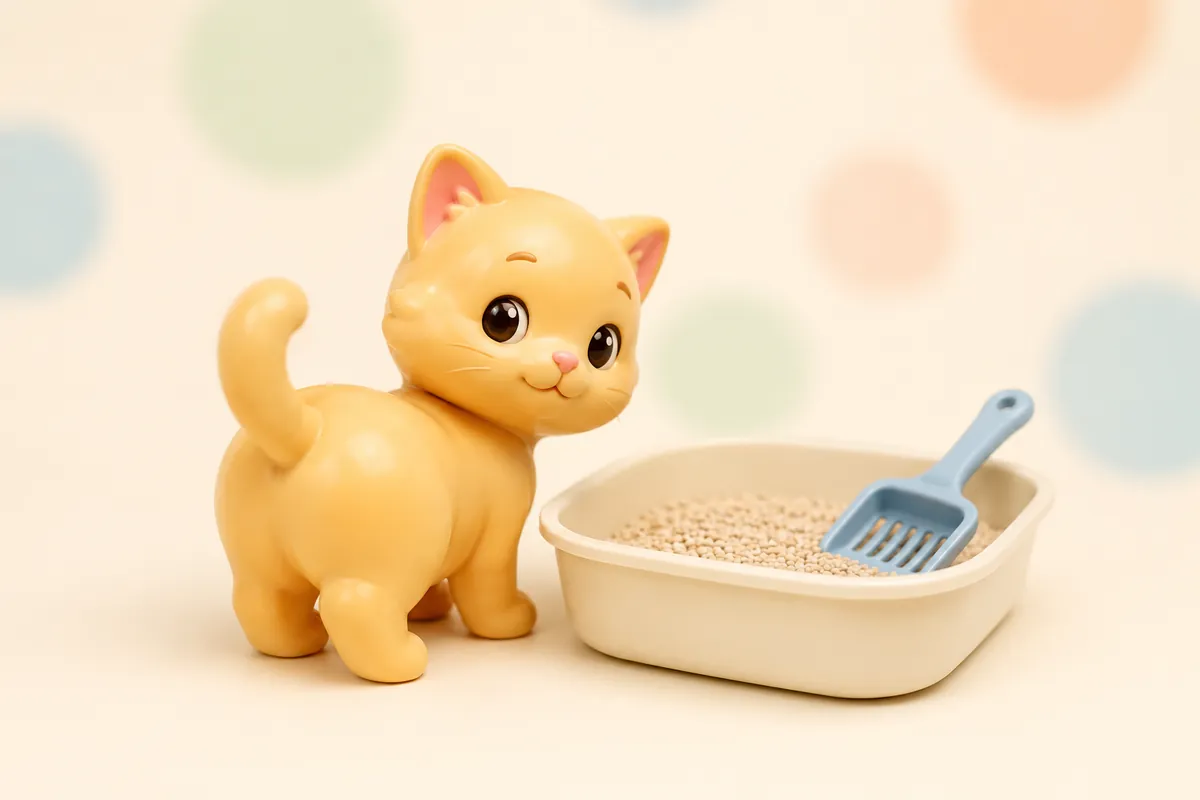
Inappropriate urination is the leading behavioural reason cats are surrendered to shelters, and a large share of those cats had a treatable medical problem the whole time.
So the order of operations matters. Medical first, always. Then the box. Then the household.
Before anything else: the emergency
A cat — usually male — going in and out of the box, straining, producing little or nothing, crying, or licking at the genitals is a urethral obstruction until proven otherwise. That is a life-threatening emergency and needs an emergency clinic now, not in the morning.
A blocked cat can develop fatal potassium and kidney derangements within 24 to 48 hours. Owners frequently mistake the straining for constipation and wait. Don't wait. If your male cat is straining in the box, go.
That's the only part of this article with a deadline. The rest can be worked through calmly.
Is it urinating, or is it spraying?
Different behaviours, different causes, different fixes.
Spraying (marking): the cat stands, tail upright and often quivering, and delivers a small volume onto a vertical surface — a wall, a door frame, the side of the sofa. It's communication, not elimination. Driven by stress, territorial tension, a cat visible outside the window, a new animal, or an unneutered cat's hormones.
Urinating (inappropriate elimination): the cat squats and empties a normal volume onto a horizontal surface — carpet, bed, laundry, bath. This is a cat choosing not to use the box, or unable to reach it in time. Medical causes dominate here.
Where it happens tells you a lot. Soft, absorbent surfaces suggest a substrate preference or a painful bladder wanting somewhere comfortable. Near the box suggests the box itself is the problem. In one specific corner, repeatedly, suggests the smell of previous accidents is drawing the cat back — enzymatic cleaner, not ammonia-based, or you're reinforcing the spot.
The medical list
Your vet will typically want a urine sample and, in a cat over seven, bloodwork. The usual suspects:
- Feline idiopathic cystitis (FIC). The most common diagnosis in cats under ten. Bladder inflammation with no infectious cause, strongly linked to stress, and strongly linked to dry-only diets and low water intake. Painful, recurrent, and largely managed through environment and hydration rather than drugs.
- Urinary crystals or stones. Cause pain and, in males, obstruction risk.
- Bacterial infection. Genuinely uncommon in young cats — usually over-diagnosed — but common in older cats, especially alongside kidney disease or diabetes.
- Kidney disease, diabetes, hyperthyroidism. All increase urine volume. A cat producing more urine than the box can absorb starts finding alternatives. Watch for increased drinking.
- Arthritis. Enormously under-appreciated. A senior cat with sore hips will avoid a high-sided box, a box up a flight of stairs, or a box with a lid it has to duck through. Radiographic arthritis is present in the large majority of cats over twelve.
Hydration sits underneath several of these. If your cat is on dry food, water intake is likely the highest-leverage thing you can change — dilute urine is protective against both crystals and cystitis.
Then fix the box maths
Most homes get at least one of these wrong:
- Number. One box per cat, plus one. Two cats need three. Boxes in the same room count as one location, not two.
- Size. A box should be 1.5× the length of the cat from nose to tail base. Almost every commercial box is too small.
- Lids and liners. Cats generally prefer open, uncovered boxes. Lids trap odour and create ambush anxiety in multi-cat homes.
- Litter. Most cats prefer fine-grained, unscented, clumping litter, about 3–5 cm deep. Scented litter is for humans.
- Cleaning. Scoop daily — twice daily is better. Full change and wash weekly. No strong disinfectant smell.
- Location. Quiet, not next to the washing machine, not next to the food bowls, not in a dead-end where another cat can block the exit. In a multi-storey home, one on each floor.
Change one variable at a time and give each two weeks. Two boxes side by side with different litters — a "litter buffet" — lets the cat vote, and it's the fastest way to settle a substrate question.
What to log while you work through it
This problem is solved by pattern recognition, and the patterns are invisible without records:
- Every accident: date, time, exact location, surface, volume, and whether there was any blood.
- Every normal box use you observe, and the clump count when you scoop. Two to four urine clumps a day is typical for a well-hydrated cat.
- Water intake and food type.
- Household events: guests, building work, a new pet, a cat outside the window, a change in your schedule, a holiday.
Do this for two weeks and the answer often falls out on its own — accidents clustering on the days the neighbour's cat visits, or beginning the week you switched litter, or only ever on the bath mat. PawSolids keeps this timeline with per-cat separation, which matters more than it sounds: in a multi-cat house, the first real question is always which cat, and the second is what changed that week. Both are answerable from a log and neither is answerable from memory.
Bring the log to the appointment. A vet looking at fourteen days of accident locations, times, and household events is far better placed than one who hears "she's been going on the rug for a while."
Never punish this. Punishment increases stress, and stress is a direct cause of both FIC and spraying — you'll make the problem worse and lose the cat's willingness to use the box in front of you.
PawSolids is a health journal, not a diagnostic tool. Straining, blood, or a male cat producing nothing is an emergency — go to a clinic immediately.
Keep reading
Bald patches on your cat: over-grooming, and what's driving it
Cats groom in private, so the first thing most owners see is the hair loss. Here's how to tell over-grooming from hair that's falling out, why 'stress' is usually the last answer rather than the first, and what to track.
Your senior cat is losing weight. It's not just age.
Weight loss in an older cat is a symptom, not a stage of life — and the four conditions behind most cases are all detectable early. Here's how to catch a 5% loss before it becomes 20%.